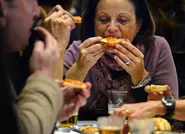
The Spanish are a pretty tolerant, care-free bunch most of the time. But when it comes to the dining table, there are a few taboos. Here's a light-hearted list of the gastronomic faux pas to avoid in Spain.
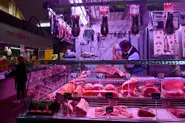
Consumer Affairs Minister Alberto Garzón has reignited the debate about Spain's love of meat by asking Spaniards to consume less 'carne' to protect their personal health as well as the future of the planet.
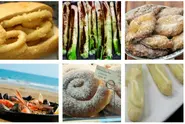
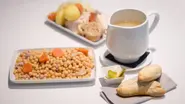
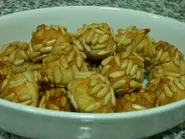
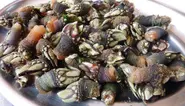
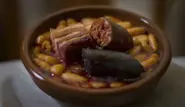
If you thought Spanish food was all paella and pinchos then think again. Get ready as The Local Spain takes you on a mouth-watering tour of some of the country's lesser known but equally fabulous culinary highlights.
As autumn turns into winter you will see braziers set up on street corners and town squares across Spain selling baked sweet potatoes and aromatic roasted chestnuts.
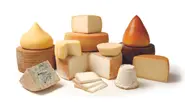
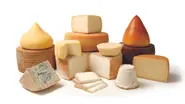
Spain may be more famous internationally for its jamon than its queso but there is a huge and delicious choice of cheeses in Spain that stretch far beyond manchego.
It’s lunchtime and on a sunny plaza in downtown Madrid a few locals are settling down for a menu del diá in one of the few establishments that is still open for business.
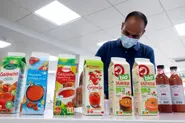
Long a staple of the Spanish diet, gazpacho -the chilled soup made from a puree of tomatoes and other vegetables - is gaining space on supermarket shelves further afield in Europe and beyond.
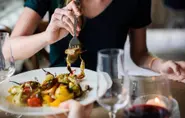
Valentina Ruffoni has lived in Madrid for three years and runs the highly successful food and drink community, Eat Out Madrid. She shares her top tips for dining out like a true Spaniard.
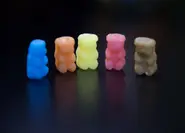
Ander Mendez and his friends were hoping they'd struck it rich when they came up with the idea of selling alcohol-infused gummy bears -- until they found themselves in the sights of sweet giant Haribo.
If you love “queso”, Spain’s Ministry of Agriculture has just revealed which cheeses are the best in the country according to their panel of food experts.
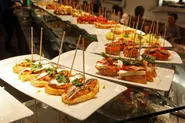
You may be forgiven for thinking the Spanish city with the most wine bars per capita would be found in a famous wine growing region like Rioja or a touristy capital such as Barcelona or Valencia.
One out of four every businesses selling food in the Spanish capital don’t meet health and safety standards, with even some school dining rooms not making the mark. Find out where they are.
More than just a nibble of a churro or a forkful of tortilla, the serious business of Spanish food culture has been known to cause controversies when not done right.