Your guide to moving to Spain
If you are moving to Spain there are many things to consider from visas to where you are going to live and whether you want to rent or buy.
Getting the right visa for Spain
If you’re from a non-EU country, first step in moving to Spain is to find out which type of visa you’re eligible for and start the application process. In these guides we cover all the types of visas available for Spain for Americans, for Brits and for Indians and what each one requires. Most of these visas are available for all other non EU citizens too.
Registering in Spain for EU citizens
If you’re an EU citizen, you won’t need to apply for a visa, but you will still need to register as a resident within the first three months of being here. You will also need to provide a reason for moving here such as being offered a job, being self-sufficient enough to support yourself without one, being enrolled on a course as a student or moving here to become self-employed.
Find out how to get your green residency certificate if you’re moving to Spain as an EU national.

How to get a green residency certificate in Spain if you’re an EU national. Photo: Andrea Piacquadio / Pexels
Getting your residency authorisation for Spain
Once you have been granted your visa and have arrived in Spain, you will need to apply for a residency card in order to be able to stay and be properly registered. This is known as the Tarjeta de Identidad de Extranjero or TIE.
Here’s everything you need to know about the TIE from how to apply, to the differences between the TIE and the NIE and what happens if you don’t renew your TIE.
Deciding where to live in Spain
Spain is a very varied country, where weather, culture, traditions, food and even languages change dramatically from north to south. Find out what each region is like it if it would suit you with our informative regional guides.
If you are interested in moving to Spain's Galicia then it's important to know the pros and cons of moving to the region, including the weather. We also have a guide that lays out the positives and negatives of living in Spain’s La Rioja region?
But perhaps Spain’s Basque Country is the region you'd like to know more about?
Andalusia - one of Spain's most popular regions for foreigners then you should know where in Andalusia is the best place for you
We also have explored which city in Castilla y León is the best? and the pros and cons of living in Spain's capital Madrid.
We have also looked at all the pros and cons of life in Spain's Zaragoza and Aragón, Extremadura, Navarre and Cantabria.
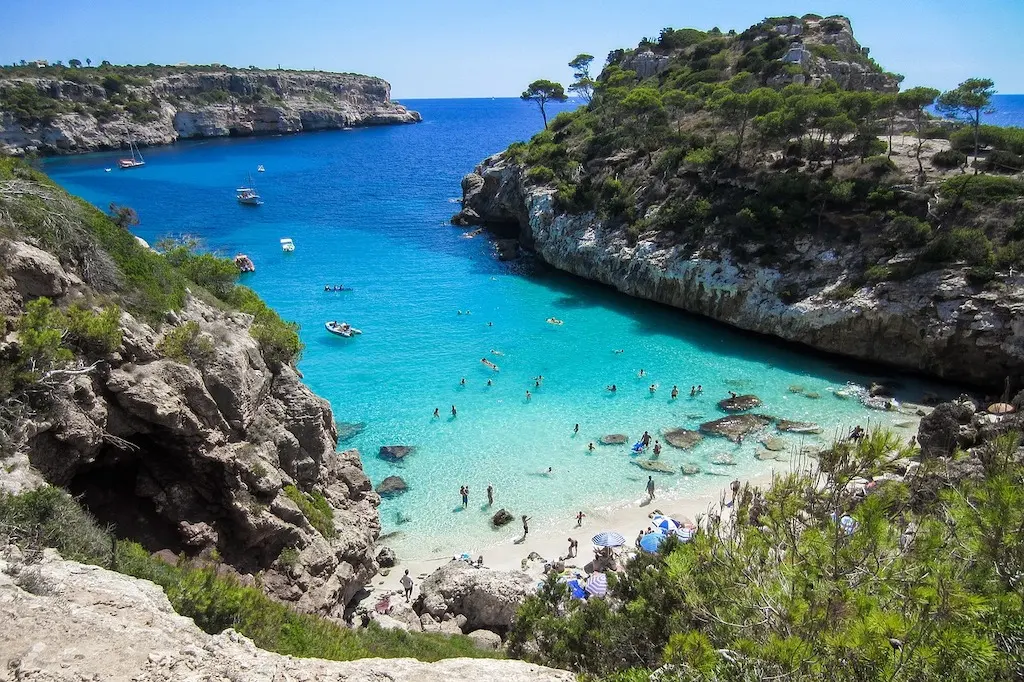
Which Balearic Island is right for you? Photo: 4634656 / Pixabay
If you want to move to Spain's Balearics then you need to know which island is right for you? And there are things you need to know before moving to Murcia.
If it's Spain's Canary Islands you are headed for then learn all you can about the islands before you go.
What if the choice is between Alicante and Valencia? We've looked compared the best and worst of both cities.
And if you've moving from the US to Spain here's a handy comparison guide to help Americans decide which city is best for you.
Finding a property in Spain
Once you have narrowed down your area, it’s time to search for a property. It’s up to you whether you want to buy or rent.
Buying a property in Spain can be very different from back in your home country so it’s very important to familiarise yourself with the process with our 15-step checklist to buy a property in Spain.
If you want to rent instead, take a look at our general overview on the ten things you can expect when renting in Spain.
Registering on the padrón
When you have sorted out where you’re going to live, you will need to do one more admin process in order to register with your local town hall.
The padrón document you get when registering at your local town hall in Spain has many hidden uses and also causes plenty of doubts among foreigners who aren't sure what having this certificate entails.
Opening a bank account in Spain
You will need a bank account for many different reasons in Spain, from paying bills and taxes to receiving payments – either a salary if you work or invoices from clients if you’re self-employed.
Certain banks in Spain are considered better for foreigners and there are also some bank accounts that are better for self-employed workers.
Some banks in Spain will also let you open an account with just an NIE number but as always there are hidden costs of opening a Spanish bank account you should be aware of.

The best bank accounts for self-employed workers in Spain in 2024, according to comparison websites. Photo: Anastasia Shyrokykh/Unsplash
Ensuring you have health care cover in Spain
Ensuring you have adequate health cover is very important. Some visas will have required that you get private health insurance in advance in order to be able to move to Spain, while others will require you (if you’re self-employed) or your employer to pay into the social security system. If paying into social security, you’ll have access to Spain’s national health system.
If you move to Spain you may need to get private healthcare as part of your residency application so it's important to know the differences between the providers so you get the best cover for you.
If you have access to public healthcare in Spain, you can apply for a public health card in the region you live and if you're not paying into the social security system, but still want public healthcare access, it is also possible to pay for it through the 'convenio especial'.
For UK state pensioners you'll need to take the right steps to apply for the S1 form and get health cover that way.
Getting and validating your driving licence to drive in Spain
If you plan to drive in Spain, it's essential to check the requirements so you know whether you can exchange your driving licence for a Spanish one or whether you'll have to take the Spanish driving test.
The process varies based on where your original licence is from. If you have an EU/EEA licence you probably won’t have to exchange it for a Spanish permit, but anyone else moving to Spain permanently will at some point need to get a Spanish licence.
Having to retake the Spanish driving exam might be daunt for many new arrivals in Spain, but it is possible to do part of it in English at least.

Can I take the Spanish driving test in English? Photo: bobtheskater/Pixabay
Working in Spain
If you have work authorisation for Spain, most likely you will have a job already waiting for you, but there may be some instances where you need to apply for a job here or even change it.
If you're Spanish is not yet up to scratch, there are a list of jobs you can do in Spain without needing to speak Spanish.
The Local's job section is also a great place to look for opportunities.
Self-Employed in Spain
It's common for foreigners in Spain to be self-employed or autonomo and create their own jobs and it's become more popular now thanks to the digital nomad visa. Unfortunately being self-employed here can be very confusing and the social security payment system can be unfair when you're just starting out.
Those thinking of becoming self-employed while enjoying their Spanish lifestyle should carefully consider the pros and (mainly) cons that come with being "autónomo" and especially learn in advance about the social security fees you'll have to pay.
It's also likely you'll need to hire a gestor to help you file your quarterly returns properly.
Learning Spanish and other local languages
Whatever reason you've come to Spain, your life here will be much easier and richer if you learn the local language. Spaniards surprisingly have one of the worst levels of English in EU, so if you want to discuss anything beyond the basics, it will be up to you to try and learn the lingo. It might seem hard at first but our readers have spelled out some sure-fire ways that you can improve your Spanish without too much stress.
It can be very confusing though when you're just starting out and there are many aspects of learning Spanish that really baffle English speakers from struggling to get the gender right to wrestling with the two forms of the verb 'to be'.
Did you know that in 30 years the USA could have the most Spanish speakers in the world? If you want to understand why you should put the effort in to learn Spanish then read our 14 unknown facts about the Spanish language.
It's important to note that Spanish is not the only official language spoken in Spain. For example if you live in Barcelona or the surrounding area you'll need to weigh up whether it's worth learning Catalan or Spanish.
It also might be worth learning some Basque if you are in the Basque country or Galician in addition to Spanish if you are in north west Spain. Be aware that if you move to Catalonia, it's most likely your children will learn Catalan at school, unless you send them to a private one, so it's a good idea for you to learn it too.

By Esme Fox
Originally from the UK, Esme grew up in various countries around the world. She decided to settle in Spain in 2014 and has lived in both Granada and Barcelona. She is a regular contributor to The Local Spain.