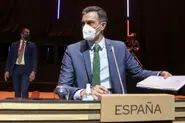
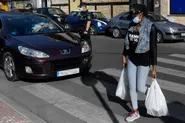
The Spanish government on Tuesday ruled out reintroducing the state of emergency which facilitates quick Covid restrictions as the infection rate among young people spirals out of control and regional authorities move to bring back measures.
While curfews and border closures have been lifted in most regions, there are still some restrictions in place. Read on to find out what the new and current measures are in your region.
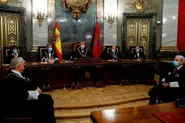
Spain’s Supreme Court on Thursday ruled against the curfew and the limit of people in meetings in private imposed by the Balearic Islands after the end of the state of alarm, considering the restrictions disproportionate for the islands’ low infection rate.
Spain’s state of alarm ended on May 9th, and while many restrictions have been lifted or are being debated, the use of facemasks remains in place. We look at the legal framework in place to help you understand why that is.
Even though the end of Spain’s state of alarm on May 9th theoretically meant many restrictions ceased to exist, governments and courts - both national and regional - are not seeing eye to eye over how to proceed with Covid measures. Here’s what you need to know.
Spain's government called Monday for "responsibility", insisting health restrictions were still in place, after weekend images showed people celebrating the end of a state of emergency without masks or social distancing.
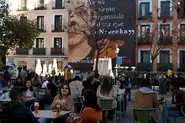
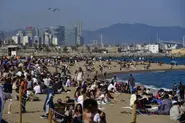
Thousands of mainly young people hit the streets of Spain’s biggest cities over the weekend to celebrate the end of the country’s state of alarm. As the footage shows, mask wearing and social distancing were not a priority.
Spain has lifted a state of emergency in place since October to fight the pandemic, allowing Spaniards to travel between regions for the first time in months.
Spain is poised for a surge in internal travel after a national state of emergency ends on Sunday, a move regional governments fear weakens their hand in the fight again the pandemic.
With Spain’s state of alarm set to end in a matter of days, legal associations and judges have criticised the latest legislation by the national government for ‘passing the buck' to them in terms of deciding Covid restrictions across the country from then on.
Spanish Prime Minister Pedro Sánchez has announced that the country's state of alarm will end on May 9th, a decision that could mean most Covid restrictions are scrapped. But with rising infections across much of the country, not all regional authorities are on board with the end of restrictions.
With infection rates continuously rising since Easter, ending the state of alarm on May 9th could plunge Spain into a legal no man's land at the worst possible time, Graham Keeley writes.
Despite pressure from political opponents and some regional authorities, Spain’s national government insists it won’t extend the state of alarm past May 9th, even if that means that many of the restrictions in place currently are lifted.
With infections again on the rise and Europe's vaccine rollout delayed over clotting concerns, the Spanish national government is under pressure to extend the state of alarm to fight the pandemic.
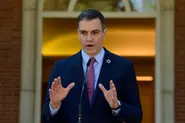
Spanish Prime Minister Pedro Sánchez told journalists on Tuesday he trusted that the country’s state of alarm will end in just over a month. What would this mean for people living in Spain in terms of rules and restrictions from then on?