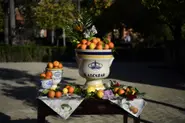
Spain is long-established as one of the world's major orange producers, but a combination of factors mean that 'naranjas' from South Africa, Morocco and Egypt increasingly line Spanish supermarket shelves.
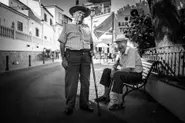
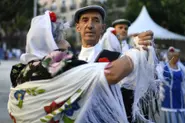
We all know the stereotypes about Spanish people, but once you've lived in Spain for some time you pick up on other idiosyncrasies Spaniards have which are fairly unknown to outsiders, and often quite amusing.
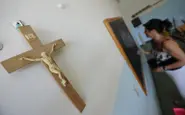
As kids across Spain start school this week, many foreign parents who are new to the country may be wondering if Catholicism still plays an integral part of the education system.
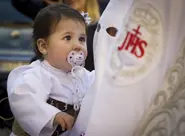
Spain is a fantastic country to bring up kids thanks to the weather, the safety and Spaniards' overall love of children, but that doesn't mean there aren't aspects of Spanish child-rearing that surprise foreigners.
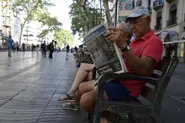
Want to decipher the different political biases in the Spanish press? Eager to find out which newspaper you'll enjoy reading while improving your Spanish? Here's everything that's interesting and important about Spain's newspaper landscape.
Spain's population density is a European anomaly, with 90 percent of residents living in just 2.6 percent of the country. Why is it that the cities are so crowded while huge parts of the country's interior are empty?
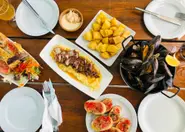
Tapas are an intrinsic part of Spanish eating culture, consisting of small plates of food shared with friends or family along with drinks. There are some fascinating theories about how this typically Spanish way of dining came to be.
Many people in Spain believe the country's Socialist government offers too many benefits which discourage some from working. Does living off the State really pay off?
Watching Spanish TV can often feel like it's all just ads, and the actual programmes are the fillers. Why is it that ad breaks in Spain often run for more than 12 minutes?
Have you ever wondered what those small kiosk are on many street corners in Spain, and why there are people inside them selling tickets? Here's what you need to know about 'La ONCE'.
Spaniards currently feel quite pessimistic about their country, believing it to be less safe, less prosperous and more unequal than a decade ago, a new widely reported study has found.
To mark World Book Day, we give you a breakdown of ten fiction and non-fiction ‘libros’ that will help you get to grips with Spain’s history, culture, the Spanish mindset and more.
Divorces and separations are on a downward trend in Spain, but the latest data suggests it's more a case of couples begrudgingly deciding to stay together.
To mark International Women's Day, we celebrate 11 Spanish women who have played pivotal roles in shaping Spain's history, gender rights, science, the arts and more.
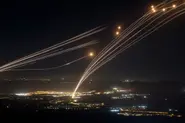
Following Iran's attack on a British military base in Cyprus, the first time the country bombs European soil, we find out whether Spain would be able to defend itself against a missile attack like Israel's 'Iron Dome' system does.
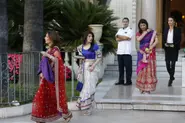
The first wave of Indian migration to Spain began in the late-19th century with a diaspora of Sindhi traders quickly establishing themselves as a successful and peaceful community, values they still hold onto today.
Following news that Spain has once again fallen in international corruption rankings, The Local's political reporter Conor Faulkner looks into the reasons why Spaniards are once again losing trust in their elected and unelected officials.
Spaniards often deal with stereotypes from abroad which paint them as just party-loving and lazy, but even among the inhabitants of the country’s 17 regions there are clichés that live on to this day.
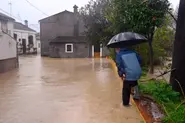
Locals in Grazalema - which just got hit by almost 600 litres of rainfall/m2 in 24 hours - are used to wet weather, albeit not as bad as that caused by Storm Leonardo. How is it that this town in sun-drenched Andalusia is known as the rainiest in Spain?
To mark Groundhog Day in the US and Canada, a folklore tradition which in popular culture has come to represent a lack of change over time (thanks to the classic US movie of the same name), we take a look at ten things that never seem to change in Spain.
Fireworks are common across the world during New Year’s Eve, but in Spain it’s firecrackers (petardos) that scare the living daylights out of people with their loud bangs. More people are now calling for this heart-stopping tradition to die out.