If you're going to spend Easter 2026 in Spain, this is what you need to know about the opening times of supermarkets, restaurants, pharmacies and other establishments in the region where you'll be.
After diligently avoiding sweets and other tasty temptations for Lent, Catholic Spaniards know how to ring in the end of the religious season with amazing dishes during Holy Week.
Easter week is celebrated in Spain like nowhere else on earth, and Spaniards take their Holy Week traditions very seriously, even if some of them - to the outsider - seem a little bit bonkers.
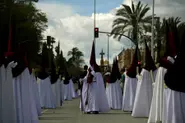
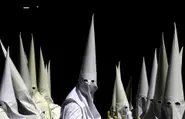
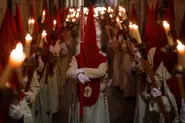
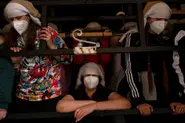
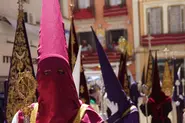
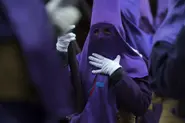
Tourists could be forgiven for gasping in horror at the first sight of the white hoods marching towards them at one of Spain's Easter processions, argues Ilaria Grasso Macola.
Semana Santa or Holy Week is a big deal in Spain. The holiday even comes with its own set of special Spanish words you'll hear over and over again during this time.
Semana Santa or Holy Week is held in Spain during the run-up to Easter Sunday. Celebrations and parades take place all over the country, but there are some cities that go all out.
Want to do something over the Easter holidays but keen to avoid all the religious fervour? The Local gives you a rundown of the best alternative Easter travel plans.
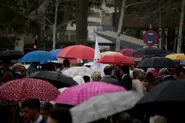
Torrential rains forced the cancellation of famed Good Friday religious processions through Seville, leaving many faithful in tears in the southern Spanish city.
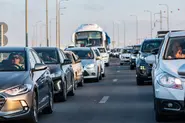
Operación Salida is Spain's big Easter exodus when people flee the cities and drive to the countryside or the coast for their holidays. Here's what you need to know if you want to avoid traffic jams and other problems on the road.
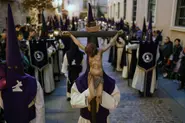
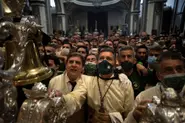
Spain's colourful Holy Week celebrations begin on Sunday, featuring centuries-old processions of the faithful carrying flower-covered floats topped with statues of Christ or the Virgin Mary that draw huge crowds.
While religious orders started allowing women to carry floats in Spain's famous Semana Santa processions 30 years ago, female "costaleros" - as float bearers are known - remain a minority who still face resistance.
With Easter processions cancelled for the past two years due to the coronavirus pandemic, Spain's colourful Holy Week marches made their eagerly awaited return to the streets on Sunday.
Working with rich fabrics, fine lace and flowers, gay stylists have long played a key role in dressing the Virgin Mary figures carried through the streets of southern Spain during Holy Week. But their participation comes at a price: silence about their sexual orientation.
The data from Spain's Health Ministry has been showing a steady increase in coronavirus cases since mid-March, however Health Emergency Chief Fernando Simón has said that infections could be contained as a “small wave”.
There’s a lot of Covid-19 news in Spain in the lead up to the Easter break, with everything from restrictions to infection rates deciding the Spanish government’s next moves. Here are six key facts you need to know about the current state of affairs.
Spain's 17 regions have in principal agreed to close their borders during the week leading up to Easter Sunday, but no official deal has yet been reached and the Canaries may stay open.
In the week leading to Easter Sunday, hundreds of colourful processions featuring penitents in cone-shaped hoods and
centuries-old religious floats traditionally flood the streets of villages and cities across Spain.
Family photos can be a bit awkward. Especially when they involve three generations of royals and everyone involved is used to being the centre of attention.
Spaniards will tell you that ‘it always rains in Semana Santa” and this year they will most probably be right as downpours look certain across much of Spain next week.