The scorching weather Spain gets in summer (and sometimes springtime) means Spaniards are well equipped with a colourful variety of expressions to complain about the heat, from 'sweating like a chicken' to 'it’s so hot that even the frogs carry water bottles'.
The first apparent heatwave of the year hit Spain last week, and there’s no let up yet as unusually high May temperatures are set to continue throughout much of this week too, with some parts of the country expected to reach 38C.
A meteorological phenomenon known as 'galernas' on Spain's northern coast means that you could get caught in sudden storms and plummeting temperatures.
It may not have been hot per se, but Spain just logged its warmest April since records began in 1961 with an average temperature of 15.1C last month, national weather agency Aemet has said.
Terraces are popular throughout the year in Spain, but it’s the summer season when they really come alive. In a historic new agreement, this could all be set to change.
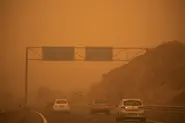
If the sky in your part of Spain has turned yellow or orange, the visibility is poor and the air is stuffier, then it’s highly likely it’s calima. But what is this atmospheric phenomenon and is it bad for your health?
Easter week is finally upon us and many will be wondering what the weather will be over the bank holidays and this weekend. While the forecast has changed several times, here's what to expect.
A Spanish court on Monday rejected a bid to put Valencia's former regional president on trial over his handling of deadly 2024 floods, ruling there was no evidence of a legal violation.
Traditionally winters are dry in much of Spain. It’s the springs and autumns which are typically the wettest, but this winter has been different. This is what you think of the weather this year so far.
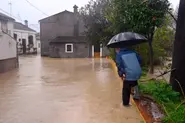
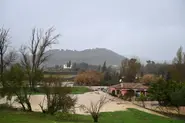
Spain endured its wettest January and February in almost half a century, with a string of deadly storms lashing the country, national weather agency Aemet said Thursday.
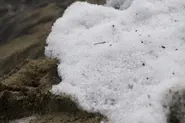
As Storm Regina sweeps through Spain bringing plenty of rain and strong winds, it's also led to a strange metrological phenomenon dubbed 'mud hail' in Málaga on the Costa del Sol.
After a series of successive heavy storms which have flooded many parts of Spain, the worst of the bad weather may now have passed, the state weather agency reports. But that doesn't mean clear skies everywhere just yet.
Flood warnings are becoming increasingly frequent in Spain, so it's essential that you know what to do in the event of an official alert being issued in your area.
Powerful winds topping 100 kilometres per hour (62 mph) battered Spain’s northeastern region of Catalonia on Thursday, injuring at least 86 people - three seriously - and forcing school closures and flight restrictions.
Prime Minister Pedro Sánchez on Monday warned that Spain must adapt to "a completely new climate reality" following deadly floods that forced thousands to flee their homes.
Spain and Portugal on Saturday braced for another storm heading for the Iberian peninsula, just days after the floods caused by Storm Leonardo killed at least one person in each country.
Spanish Prime Minister Pedro Sánchez has pleaded for caution from flood-hit residents as more heavy rainfall this weekend is expected to drench parts of the Iberian Peninsula already saturated by a deadly storm.
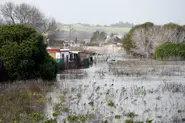
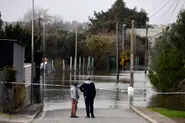
Storm Leonardo has caused severe flooding, evacuations and travel problems in Andalusia in particular, and although it's expected to dissipate somewhat on Friday, the eighth named storm of the year will bring more heavy rain to Spain over the weekend.
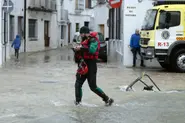
Spanish rescuers searched Thursday for a woman missing after Storm Leonardo caused more flooding and severe travel problems in Andalusia, while wind and storm warnings were issued across 13 other regions of Spain.
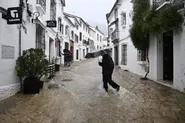
Locals in Grazalema - which just got hit by almost 600 litres of rainfall/m2 in 24 hours - are used to wet weather, albeit not as bad as that caused by Storm Leonardo. How is it that this town in sun-drenched Andalusia is known as the rainiest in Spain?
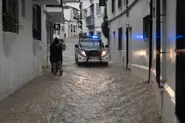
The arrival of Storm Leonardo to Spain's Andalusia region on Wednesday is forecast to bring as much as 400 litres per square metre, with thousands evacuated, school shut and roads cut off.