

In case you missed it, Spain has just had a pretty big weekend of sport. And as Spaniards have become used to in recent years, it was a rather successful one.
Spain's football team, La Roja, won another international title, beating England to win Euro 2024 in Berlin, and on the same day, Murcian wonder boy Carlos Alcaraz won his second successive Wimbledon crown and Spanish golfer Sergio García won the LIV Golf Andalucía tournament.
Last summer Spain's selección feminina footballing side won the 2023 Women's World Cup, again beating England in the final.
In terms of footballing prowess, Spain reasonably has a claim to being the best football nation in the world, if not certainly in the 21st century.
La Roja dominated the global game and won three straight international tournaments: Euro 2008, the 2010 World Cup, and then Euro 2012 Euros. Remarkably, Spanish club and national teams have won all 23 major finals in which they have played since 2002.
READ ALSO: The best photos of Spain's epic Euro 2024 win against England
Spanish sporting dominance
But it’s not just football. Rafael Nadal is considered one of the best, if not the best tennis player of all time, winning 22 grand slams so far in his career and leading Spain to four Davis Cups between 2004-2011, backed up by a selection of world class players such David Ferrer, Fernando Verdasco, and Juan Carlos Ferrero.
In Formula 1, Spaniard Fernando Alonso has won a pair of world championships (2005 and 2006) and established himself as one of the world's best drivers. In MotoGP, Spain has always been well represented in recent years by Jorge Lorenzo (winner of three world titles) and Marc Marquez (winner of six), as well as other world class riders like Dani Pedrosa and Fonsi Nieto.
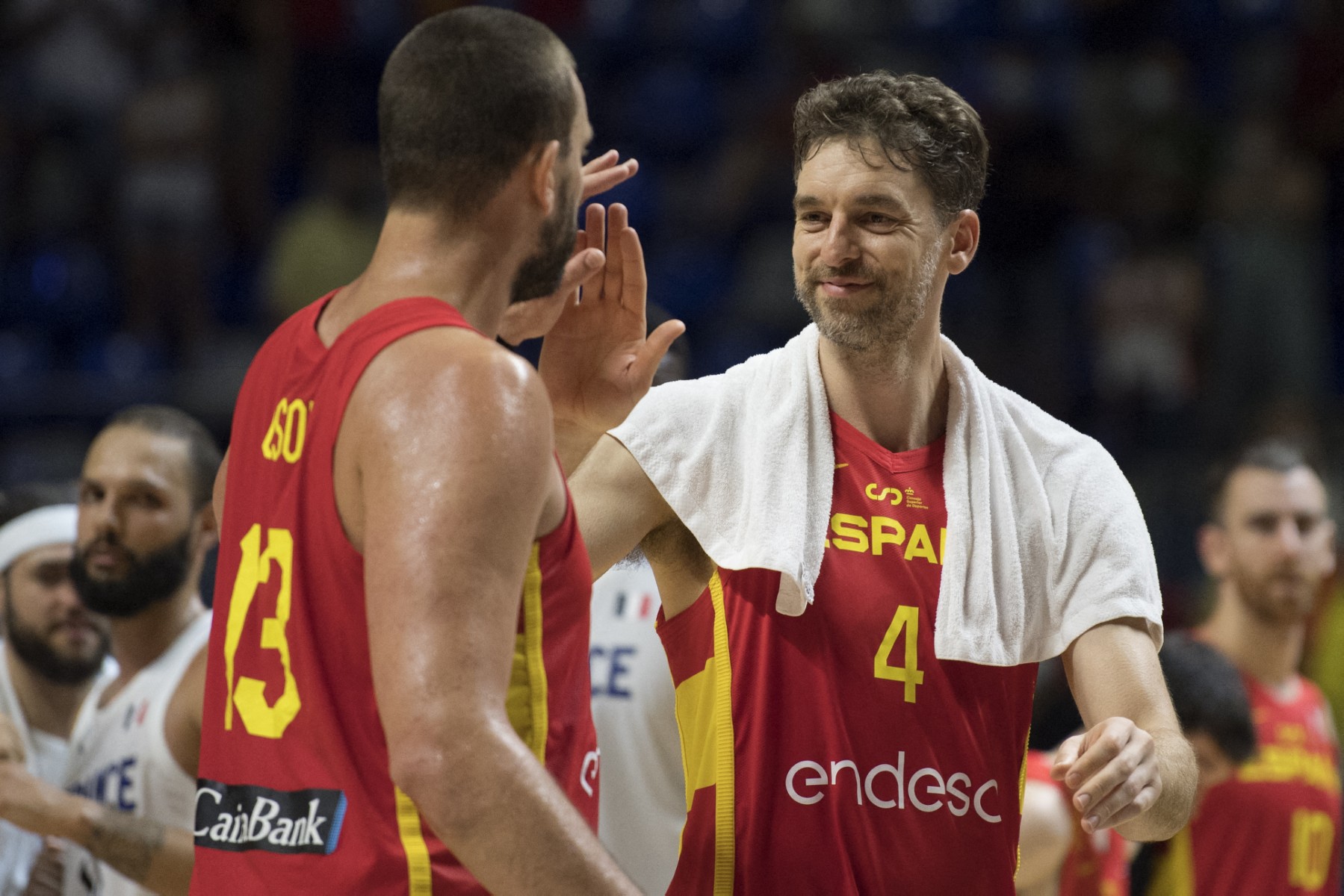
The Spanish basketball national team is arguably the second best national team in the world, winning back-to-back Olympic silver medals in 2008 and 2012 (they lost to the dominant U.S team, which there's no shame in) and sandwiched between that they won the FIBA World Cup in 2006. They also won it in 2019.
The Spanish domestic basketball league (Liga ACB) is also generally thought of as the second best league in the world, after the NBA. Its two biggest teams, Real Madrid and Barcelona, are giants of Euroleague basketball, and Spain has sent plenty of professionals to play in the NBA, notably the Gasol brothers.
Spain also regularly performs well at international handball and volleyball competitions, and though it's not a traditional powerhouse in track and field it’s performing increasingly well in events like the long jump.
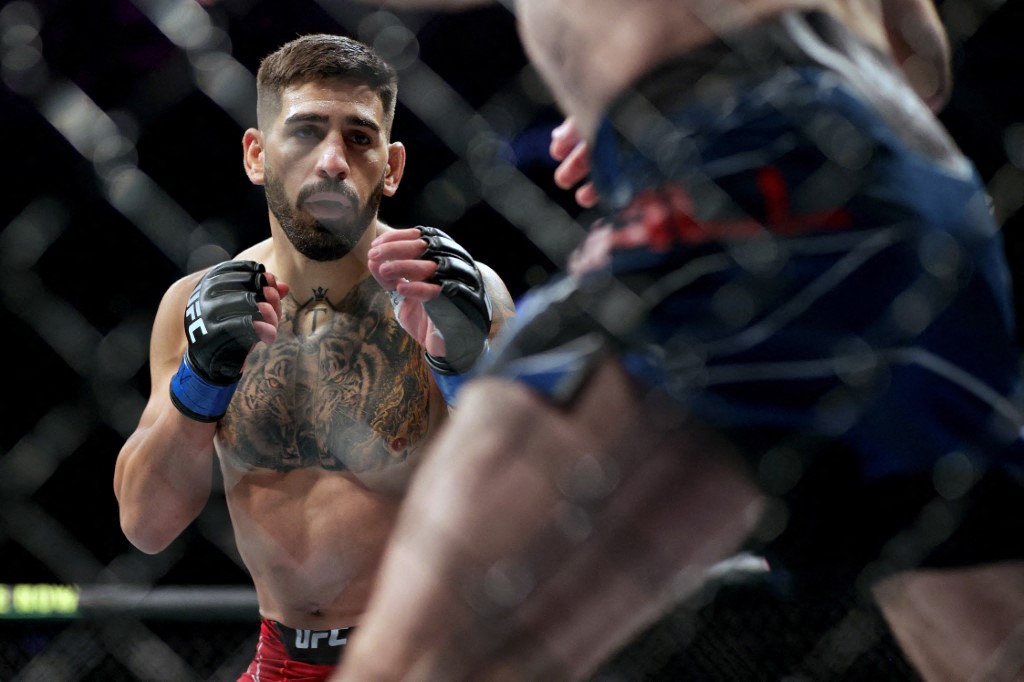
Even in mixed martial arts, Alicante-based Ilia Topuria is currently the UFC's Featherweight champion.
Why is Spain so good at sport?
But what explains this sporting dominance?
Anecdotally, many Spaniards claim that the pleasant climate means kids are generally more active and spend time outside. For athletes and sportsmen and women, this means there are less interruptions to their training schedules due to bad weather, as may be experienced in other countries, and perhaps less need for indoor facilities.
But maybe there's an economic reason underpinning all this success, as well as one specific 'trigger' event.
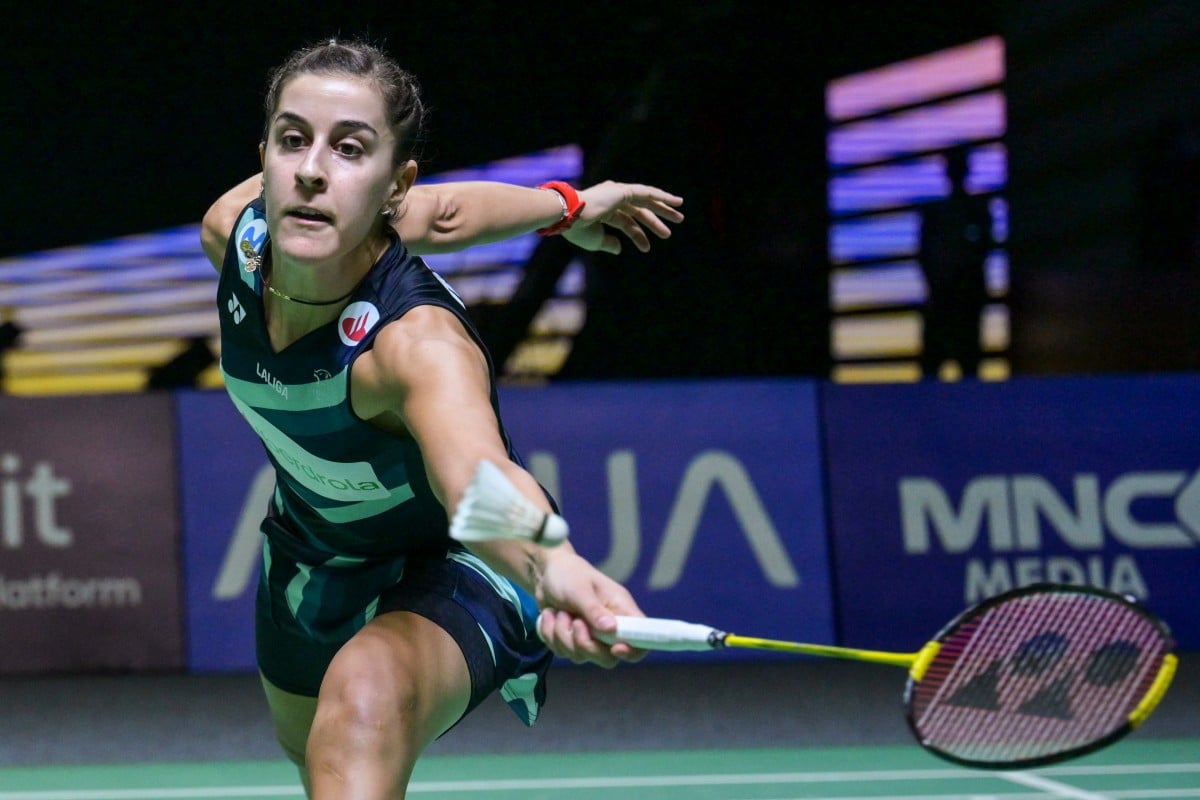
In an article for El País, Víctor Lapuente argues that Spain's sporting success comes from the country enjoying an economic sweet spot during the developmental years of some of its major stars.
"During the formative years of our great sportsmen and women, more or less from 1980 until the beginning of this century, we have had the ideal per capita income for sport," Lapuente writes. "Spain has been rich enough for the vast majority of boys and girls to have access to sports infrastructure and training clubs."
Spain has been a wealthy enough country to have all the adequate facilities needed to get kids into sport, and then, if they show any promise, has the sporting infrastructure to take them to the next level and potentially even the professional ranks.
However, Lapuente argues that this is a fine balance, and one Spain has had just right. In other words, rich enough for opportunity and infrastructure, but not too rich to kill motivation and work ethic.
"And, at the same time," Lapuente adds, "we have not been rich enough for the vast majority of parents to rule out a sporting career, full of sacrifices and risks, for their children.
"This is what happens in more developed nations, such as Switzerland or Norway. Or among the wealthier classes in all countries, be it the USA, Australia or Spain: the goal is for children to get the best grades, not to score the most goals."
Beyond having that base-level sporting infrastructure available, the Barcelona 1992 Olympics also played a role in transforming Spain into a great sporting nation.
This is certainly true in terms of basketball, as during the '92 games the famous U.S.A Dream Team, featuring legends such as Michael Jordan, Larry Bird and Magic Johnson, captivated the Spanish public and planted the basketball seed. It's now of Spain's most popular sports.
It's no coincidence that many of Spain's basketball stars of later years, notably Pau and Marc Gasol, as well as players like Rudy Fernandez and Ricky Rubio, would have been children or were born around this time and in the aftermath of the '92 Games when Spain went basketball mad.
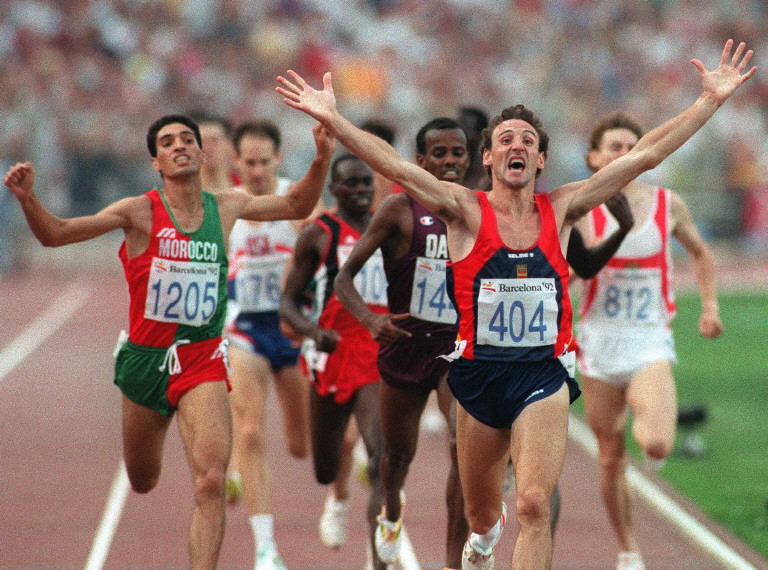
More generally, in preparation for the '92 games the Spanish government invested huge amounts of money, starting with the ADO Plan in 1988, which allowed Spanish athletes to focus on their training in a way they hadn’t been able to before. Sponsors also began investing in Spanish sport in a significant way.
Money was invested not only on the organisational and transport infrastructure necessary to host an important international event, but, as hosts, on its sports programmes too so the Spanish athletes could compete and wouldn’t be embarrassed on the international stage.
As El País puts it: the ‘92 Olympics were, for Spain, “the definitive take-off of sport, which has been climbing to new heights ever since then.”
READ ALSO: Tour de France to start in Barcelona in 2026
Comments