
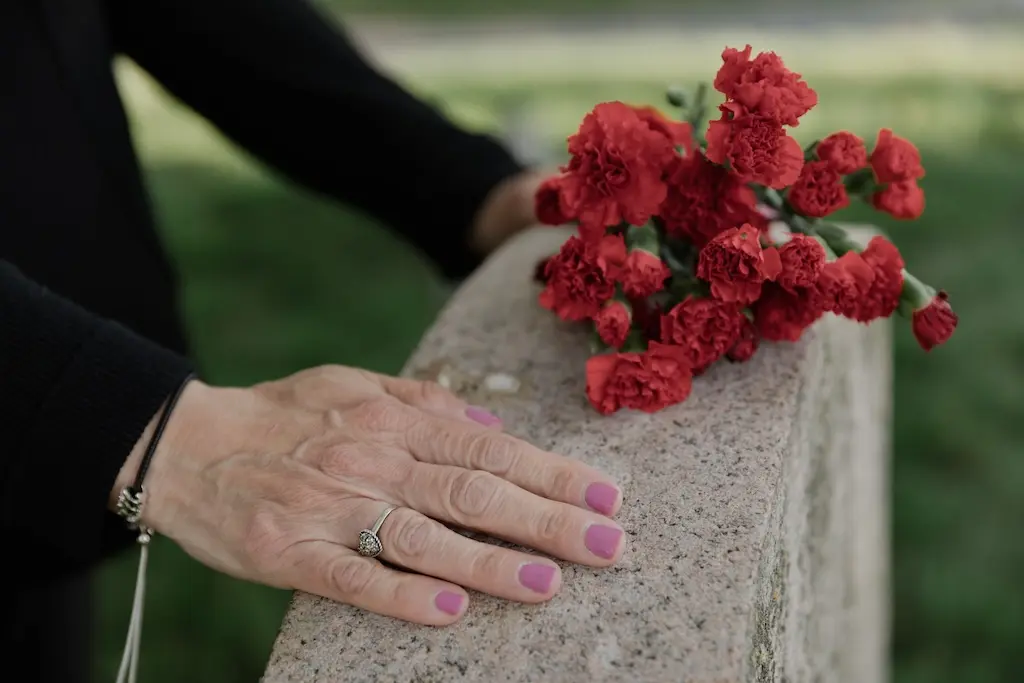
The new law is designed to help those during one of the most challenging times in life – the death of a family member.
Previously, workers in Spain received two days of paid leave when a loved one died, but this will now increase to ten working days in the event of the death of a spouse, child, domestic partner, or first-degree relatives by blood such as parents or siblings.
The leave is designed to be taken within four weeks of the death of the family member.
Another leave period has also been approved for the death of relatives such as siblings, grandparents, grandchildren, parents-in-law, sons-in-law, daughters-in-law, or siblings-in-law, among others. This has been extended from two to three working days, and from four to five days if travel to another Spanish province is required.
In all cases it is paid leave, so taking it should not result in any loss of pay from your employer.
A new palliative care leave has also been created so that you can be there for loved ones in their final days. It will allow for the reduction or change of working hours, as well as benefits. This applies when it’s a spouse, partner or blood relative up to the second degree who is dying and requires care. It’s important to note that during this time social security contributions will not be reduced.
READ ALSO: What to do when a foreigner dies in Spain
A new one-day leave has also been established for accompanying those who are undergoing assisted dying or euthanasia. Specifically, this leave will be granted to the person who provides this support.
As the bereavement leave is structured as paid time off under the Workers' Statute, the available details do not establish an equivalent Social Security-funded bereavement leave payment for self-employed workers.
These new laws will come into effect the day after they're published in the Official State Gazette (BOE), which is likely to be this Thursday November 26th.
Even after they come into effect, however, they will still have to be ratified or rejected by Parliament, which must take place within 30 days. If approved, these changes will remain in force, but if not, they will expire and will not be enshrined into law.
Since a snap general election has been called, this task is down to the Standing Committee, which ensures parliamentary functions continue when parliament has been dissolved.
The government has indicated that the Standing Committee meeting on the matter will take place on Thursday December 3rd, four days after the results of the election.
Because the outgoing committee retains its constitutional powers until the newly elected parliament formally convenes on December 23rd, they will still be the ones in charge of ratifying the new law.
As Spain's Socialists have more seats in the Standing Committee than they do in Parliament, this increases the chances of the legislation being approved, even if the centre-right PP were to win the general election.
Comments