
The Spanish rental market has been a topic of hot debate in recent years, especially in the post-pandemic period.
Whether it be rising prices, diminishing stock or increasing numbers of flats moving into the tourist accommodation market (all factors that are inter-connected, of course) residential flats have been at the forefront of many people’s minds. After all, two thirds of Spaniards live in apartments.
If we take Spain’s growing anti-tourist movement, for example, much of the anger stems from frustrations about how Spain’s rental market doesn’t work for locals. It’s also an issue that's come to the attention of the Spanish government, which has passed expanded housing legislation to try and bolster tenants’ rights.
READ ALSO: Five key points about Spain’s new housing law
The jury’s still out on whether or not it’s been an effective measure, and some experts argue that these steps have actually made the situation worse by pushing many landlords out of the residential market.
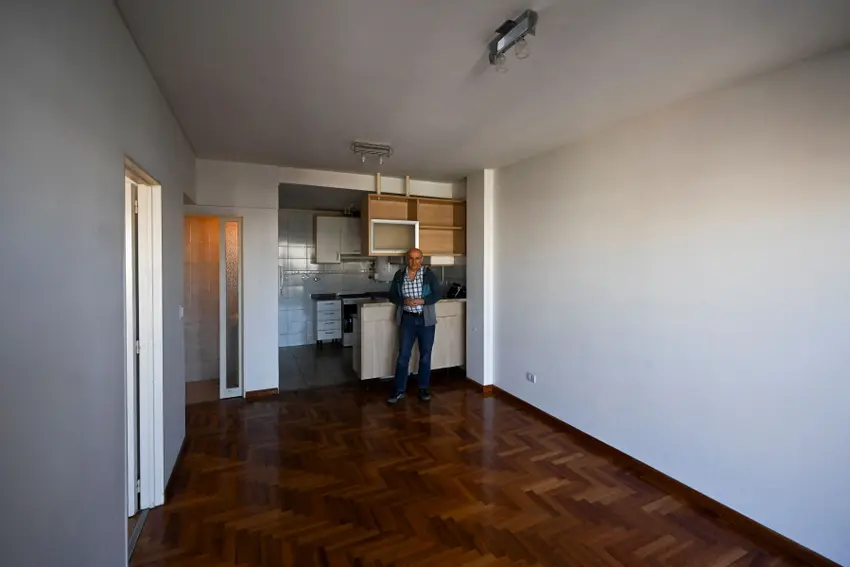
The Bank of Spain estimates that the housing shortage will increase to around 600,000 properties by 2025. All this while Spain has around 4 million properties sitting empty.
Landlords in Spain are increasingly choosing to leave their flats empty (whether for months at a time or permanently) than rent them out long-term.
In the last five years, ‘flex’ properties - which includes seasonal rentals of less than a year, as well as tourist rentals - have gone from relative obscurity to being the sector's main growth area. Often, these properties sit empty for long periods of the year.
In a report on ‘flex’ living in Spain, consultants Colliers stated that "the market is proposing a different operating model that, in addition to higher profitability, avoids regulatory rigidities and does not depend on long and complex bureaucratic processes.”
The key phrase here is “avoids regulatory rigidities” – keep that in mind for later. For some landlords, they believe leaving their properties empty is a way to do this.
But the numbers don’t lie: following reforms to Spain’s Housing Law almost 3 out of 10 homeowners have taken their property out of the residential rental market, according to figures from FotoCasa.
So what’s causing this - why do landlords in Spain prefer to leave their flats empty than rent them out long term?
There are several possible reasons.
Why landlords in Spain prefer to leave their flats empty
Survey data from Fotocasa shows that 16 percent of landlords polled leave their property empty because someone, usually a friend or family, is planning to move in soon.
Fourteen percent cited the need to do renovations prior to selling the property, and another 14 percent because they'd inherited the property and aren’t sure what to do with it.
Nine percent say that their home is empty because it is under construction; 7 percent leave it empty due to fear that the tenants will not pay or mistreat the property; and another 7 percent say they are afraid of not being able to recover the property in the event of non-payment – ie okupas (squatters), which we’ll consider in more detail below.
More profitable
Some context here, when we say ‘empty’ we are not referring to landlords keeping their properties completely empty year round. Though of course some do.
With many moving into the seasonal or tourist markets, some landlords leave their properties empty for months at a time rather than rent it out to a long-term tenant.
For many, this is due to profitability. This is a well-worn topic and one The Local has covered in detail in its coverage of the anti-tourism protests (which you can find here) but in essence it’s because it’s landlords can make more money renting a property for a season or a tourist apartment than to a long-term tenant.
Whereas a landlord might demand €1,200 per month in the residential market, renting out a property for an average of 10 days a month at €200 per night would net them €2,000. Booking up the property during the summer season (when demand is highest and prices skyrocket) would mean many landlords can afford to leave it empty for the other 6 or 7 months of the year.
Rising regulation
But it’s not just about money. Many landlords also prefer to leave their property empty than risk the new regulation put in place by the government.
Many have deliberately taken their properties out of the residential market in order to bypass tenant-friendly legislation such as rent caps and contract security.
In fact, just a few months ago the government tried to further tighten the rules on seasonal and tourist rentals in a bid to push properties back into the rental market. But with increasing red tape and costs (for example landlords are now expected to pay estate agents’ fees rather than the landlord) as well as reforms, many landlords would rather leave their property empty than risk fines and extra red tape.
READ ALSO: The loophole landlords in Spain are using to bypass the 3% rent cap
Rising risk of squatters
Finally, okupas. This one is a double-edged sword. If you read the right-wing Spanish press you might think that there were squatters (known as okupas in Spanish) in every building in Spain.
It’s certainly not that bad, but it’s definitely a growing concern of landlords.
READ MORE: Is Spain's squatting problem really that bad?
According to the Fotocasa data, in terms of owners' concerns about having empty properties, squatting was by far the biggest concern at 43 percent.
But wouldn’t the risk of leaving the property empty make squatters more likely? Yes perhaps, but not exactly.
Some will fear leaving the property empty because it could attract squatters, but in Spain many also fear that they’ll rent their properties and then the tenants will simply stop paying rent and refuse to leave, something not uncommon in Spain (though, as noted before, not as widespread as the press might have you believe).
READ ALSO: What's the law on squatting in Spain?
Comments (1)