
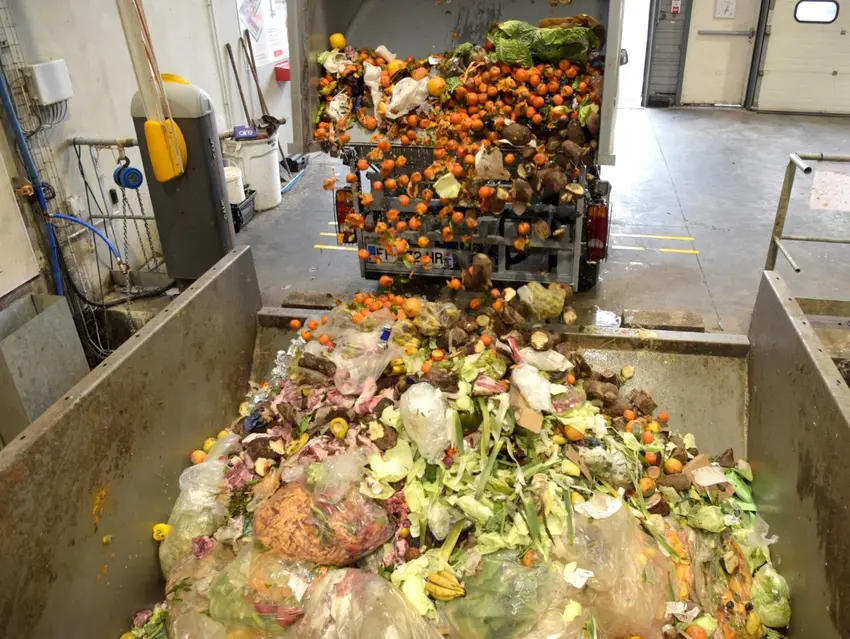
It’s been dubbed La Ley Tupper (The Tupperware Law).
This draft law which was initially presented at the Spanish Cabinet in 2022 ended up on ice when a snap election was called in May of last year and the Spanish Parliament was dissolved. Now it is back on the table.
“Its importance at this current period in time is total,” Spanish Agriculture, Fishing and Food Minister Luis Planas told journalists on Tuesday, whilst also stressing the law’s focus on “economic efficiency”, “social justice”, “the environmental link” to food production and its “moral and ethical components”.
The overall aim according to Planas is to overhaul the hierarchy of priorities in Spain’s food production chain in ways that will encourage that all food ends up consumed.
The standout points of the draft legislation are that:
- Restaurants, bars and other eating establishments must offer customers the possibility of taking their food leftovers with them, in a doggy bag or similar, at no added cost.
- Supermarkets bigger than 1,300sqm will have to have an agreement with food banks or NGOs to provide food close to its shelf life to them.
- Fine supermarkets and bars/restaurants that carry out serious food wasting between €60,001 and €500,000.
- Promote and ensure the sale of so-called ‘ugly food’ that is often not sold due to its appearance even though it's perfectly good for consumption.
- Encourage the sale of food products close to their expiration date.
- Reuse food products that haven’t been bought to make juices, creams, jams or similar, or alternatively as animal feed.
According to Minister Planas, Spaniards are becoming increasingly aware of the problem of food waste, with a reduction of 6.1 percent in food squandering between 2021 and 2022.
However, the average Spanish household still throws away 65 kilos of food a year.
That’s in a country where according to the Red Cross 6.2 million people suffer food insecurity, which translates into going hungry often.
The draft law doesn't include new rules to explicitly prevent food waste by consumers, but Planas hopes its implementation will have a "pedagogical" influence over the general population.
Spain’s food waste bill received its initial approval in the Spanish Cabinet on Tuesday and thus began its parliamentary process.
The Ministry’s aim is for the law to come into force on January 1st 2025 to give enough time to supermarkets and hospitality establishments to adapt to the new rules.
Comments